
Pregnancy brings many physical changes as your body adapts to support your growing baby. While some discomfort is common, persistent pelvic pain, lower back pain, hip discomfort or pelvic girdle pain doesn't have to be something you simply put up with.
At The Pelvic Studio, UniSports Physiotherapy in St Johns, we offer individualised pelvic health support throughout pregnancy.
Through pregnancy-appropriate pelvic floor exercises, clinical Pilates, reformer-based movement, strengthening and mobility work, we can help manage discomfort, maintain strength and support your body as it prepares for birth.

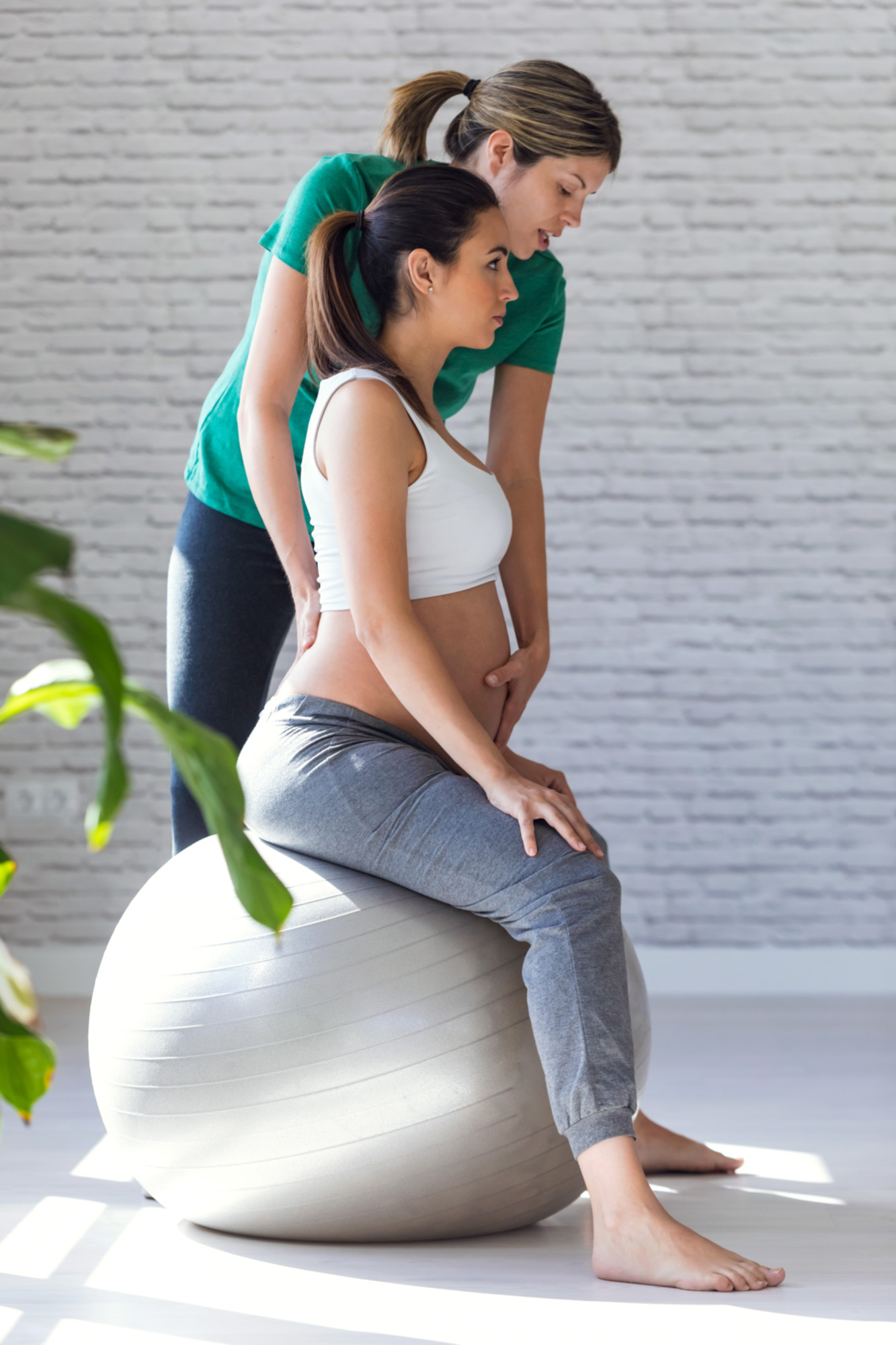
As your pregnancy progresses, you may start thinking about preparing your body for labour and delivery.
Perineal preparation, pelvic floor relaxation, breathing techniques and learning how to work with your body during birth can all play a role in your preparation.
How physiotherapy can help:
We can guide you through pelvic floor relaxation, breathing and positioning techniques, as well as perineal massage where appropriate. Perineal massage, generally introduced from around 34–35 weeks of pregnancy, may help reduce the likelihood of some perineal injuries, particularly for first-time vaginal births. We'll help you understand the techniques and feel more confident preparing for delivery.
Every pregnancy is different, and what feels comfortable one week may feel completely different the next.
You might find everyday activities, exercise, sleeping or even sitting for extended periods increasingly uncomfortable as your body changes.
How physiotherapy can help:
Our approach combines pregnancy-appropriate reformer Pilates, clinical movement, strengthening, stretching and personalised rehabilitation to help you maintain strength, mobility and confidence throughout pregnancy. We'll adapt your treatment as your body changes, supporting you to stay active, manage discomfort and feel your best as you approach birth.


Pregnancy places additional demands on your pelvis, hips and lower back as your body changes to accommodate your growing baby.
You may experience pain around your pubic bone, hips, sacroiliac joints, groin or lower back, particularly when walking, climbing stairs, rolling in bed or standing on one leg.
How physiotherapy can help:
Through personalised treatment, targeted strengthening, mobility exercises and reformer Pilates, we can help improve pelvic stability, support your changing body and manage discomfort. We'll tailor exercises to your pregnancy and individual needs, helping you remain comfortable and active for as long as possible.
Your pelvic floor muscles play an important role in supporting your bladder, bowel and pelvic organs.
During pregnancy, increased pressure and hormonal changes can affect how these muscles function.
You may experience urinary leakage, pelvic heaviness, difficulty relaxing your pelvic floor or discomfort during everyday activities.
How physiotherapy can help:
We can assess your pelvic floor function and provide individualised exercises to improve strength, coordination and relaxation. Pelvic floor training isn't just about strengthening; learning how to properly relax and lengthen these muscles is equally important in preparing your body for birth and supporting postnatal recovery.
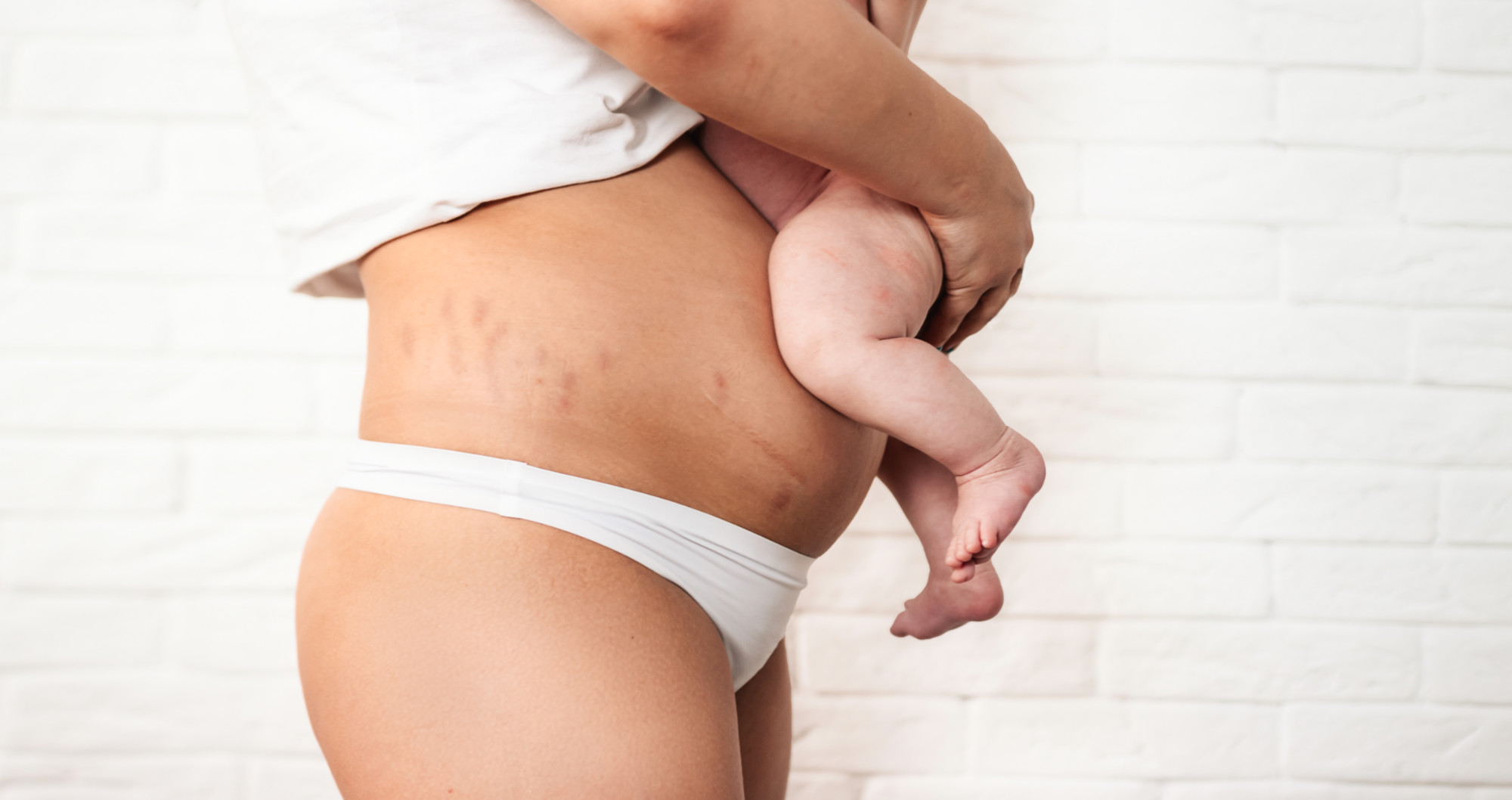
You don't have to navigate pregnancy discomfort alone. Whether you're experiencing pelvic pain, looking to maintain your strength, wanting to prepare your pelvic floor for birth or simply seeking guidance as your body changes, The Pelvic Studio is here to support you. Our individualised approach means your treatment is tailored to your pregnancy, your goals and what your body needs at every stage.
Did you know?
ACC provides cover for eligible maternal birth injuries sustained during labour or delivery on or after 1 October 2022. This includes recognised perineal tears, including first-, second- and third-degree tears, as well as certain other birth-related injuries.
If you've experienced a birth injury, you may be eligible for ACC-funded pelvic health physiotherapy and rehabilitation, subject to claim approval.
Pin following vaginal birth or caesarean section, including scar-related discomfort.
Perineal pain or scar sensitivity – following childbirth, tearing, episiotomy or surgery.
C-section scar pain – tightness, sensitivity, restricted movement or nerve-related discomfort.
Abdominal muscle separation (diastasis recti) – can contribute to abdominal discomfort and altered core function.
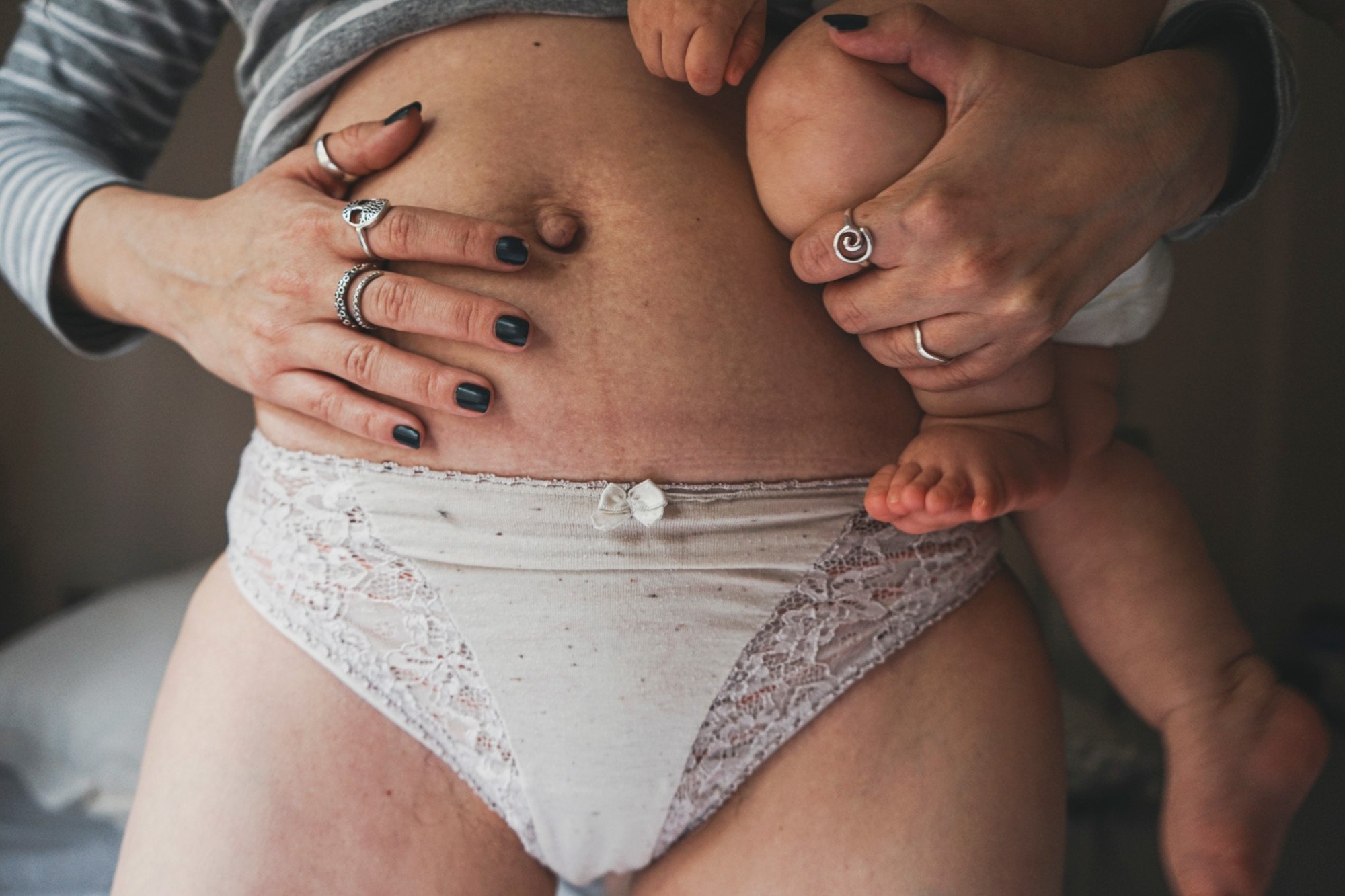
Perineal tears can occur during vaginal childbirth and range from first-degree to fourth-degree tears, depending on the extent of tissue damage.
Even after the initial healing process, some women experience ongoing pain, scar sensitivity, discomfort during intercourse, pelvic floor weakness or difficulties with bladder and bowel function.
Pelvic health physiotherapy can support recovery through tailored pelvic floor rehabilitation, scar management, clinical Pilates and individualised strengthening and mobility exercises.
Did you know?
ACC provides cover for eligible maternal birth injuries sustained during labour or delivery on or after 1 October 2022. This includes recognised perineal tears, including first-, second- and third-degree tears, as well as certain other birth-related injuries.
If you've experienced a birth injury, you may be eligible for ACC-funded pelvic health physiotherapy and rehabilitation, subject to claim approval.

There are many services out there offering pelvic floor treatments and hundreds of online tutorials, but nothing that can compare to being correctly diagnosed and having a personalised treatment programme designed and managed by a physio specially trained in pelvic health.
Learn more about our team