
Whether you've been diagnosed with a pelvic health condition or suspect you may be experiencing symptoms, there are many reasons you might suffer from internal or external pelvic pain.
Through tailored pelvic floor therapy, Pilates, reformer-based exercises, targeted movement and rehabilitation, and supportive tools such as TENS machines and SIJ/pelvic support belts, we'll work with you to find an approach that suits your individual needs.
Below are some common causes and symptoms our pelvic physios may be able to help with.


You may experience pain internally or externally, including discomfort in the lower abdomen, vagina, vulva, perineum, pelvic floor, hips, groin, lower back or coccyx.
We can help support people experiencing:
- Endometriosis, adenomyosis and period-related pain.
- Bladder pain, recurrent UTIs and urinary symptoms.
- Bowel dysfunction, constipation and pain with bowel movements.
- Pelvic floor tension, dysfunction and painful intercourse.
- Vulval pain, sensitivity and nerve-related pain.
- Pelvic girdle, hip, lower back and coccyx pain.
- Pregnancy-related discomfort and antenatal pelvic health concerns.
- Postnatal recovery, birth injuries and C-section scar concerns.
- Pelvic organ prolapse, pelvic pressure and heaviness.
You don't need to know what's causing your symptoms to seek help. If you're experiencing discomfort, changes in bladder or bowel function, or simply don't feel like yourself, we're here to help.
Pain experienced inside the pelvis, vagina, rectum or lower abdomen.
Endometriosis – inflammation and pain associated with endometrial-like tissue growing outside the uterus.
Adenomyosis – a condition where tissue similar to the uterine lining grows into the muscular wall of the uterus.
Pelvic inflammatory disease (PID) – infection and inflammation of the reproductive organs.
Ovarian cysts – cysts can cause pressure, discomfort or sudden sharp pain.
Fibroids – non-cancerous growths in or around the uterus.
Bladder pain syndrome (interstitial cystitis) – bladder pressure, discomfort and pelvic pain.
Recurrent UTIs – urinary infections that can cause pelvic and bladder pain.
Bowel conditions – including IBS, inflammatory bowel disease and chronic constipation.
Pelvic floor muscle dysfunction – overactive, tight or poorly coordinated pelvic floor muscles.
Painful intercourse (dyspareunia) – pain during or after penetrative sex.
Vaginismus – involuntary tightening of pelvic floor muscles that can make penetration painful or difficult.
Prolapse – pelvic pressure, heaviness or discomfort associated with pelvic organ descent.
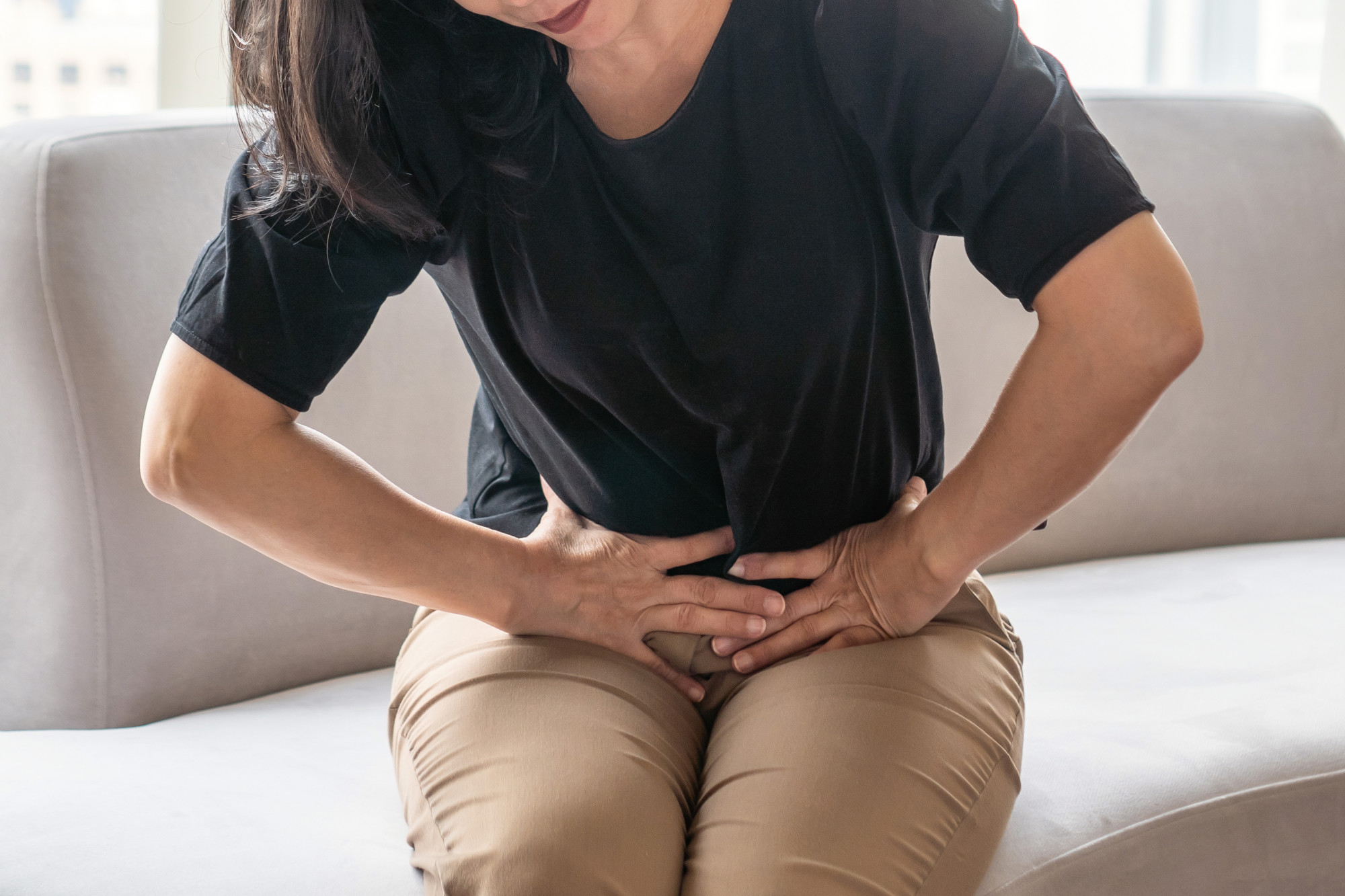
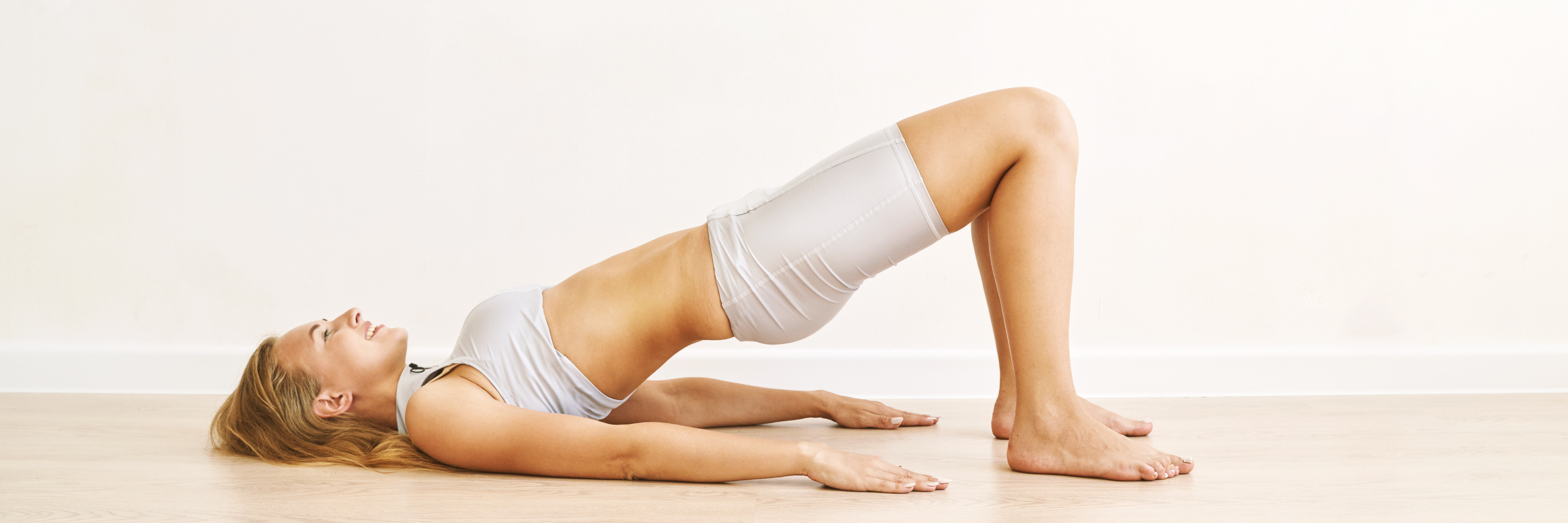
Pain experienced around the outside of the pelvis, vulva, perineum, hips, groin, lower back or tailbone.
- Vulvodynia – persistent vulval pain, burning, stinging or sensitivity.
- Vestibulodynia – pain around the vaginal opening, often with touch or penetration.
- Pudendal neuralgia – nerve-related pain affecting the perineum, vulva, penis or rectal area.
- Coccyx pain (coccydynia) – pain around the tailbone, often worse when sitting.
- Pelvic girdle pain – pain around the pubic bone, hips, sacroiliac joints or groin.
- Hip and SI joint dysfunction – musculoskeletal issues that can contribute to pelvic discomfort.
- Lower back pain – sometimes associated with pelvic floor dysfunction or musculoskeletal conditions.
Nerve irritation or entrapment – causing burning, tingling, shooting or radiating pain.
Muscle tension and trigger points – involving the pelvic floor, glutes, hip flexors or abdominal muscles.
Pregnancy-related pelvic pain – including pelvic girdle pain and discomfort associated with physical changes during pregnancy.
Postnatal pelvic pain – pain following vaginal birth or caesarean section, including scar-related discomfort.
Perineal pain or scar sensitivity – following childbirth, tearing, episiotomy or surgery.
C-section scar pain – tightness, sensitivity, restricted movement or nerve-related discomfort.
Abdominal muscle separation (diastasis recti) – can contribute to abdominal discomfort and altered core function.
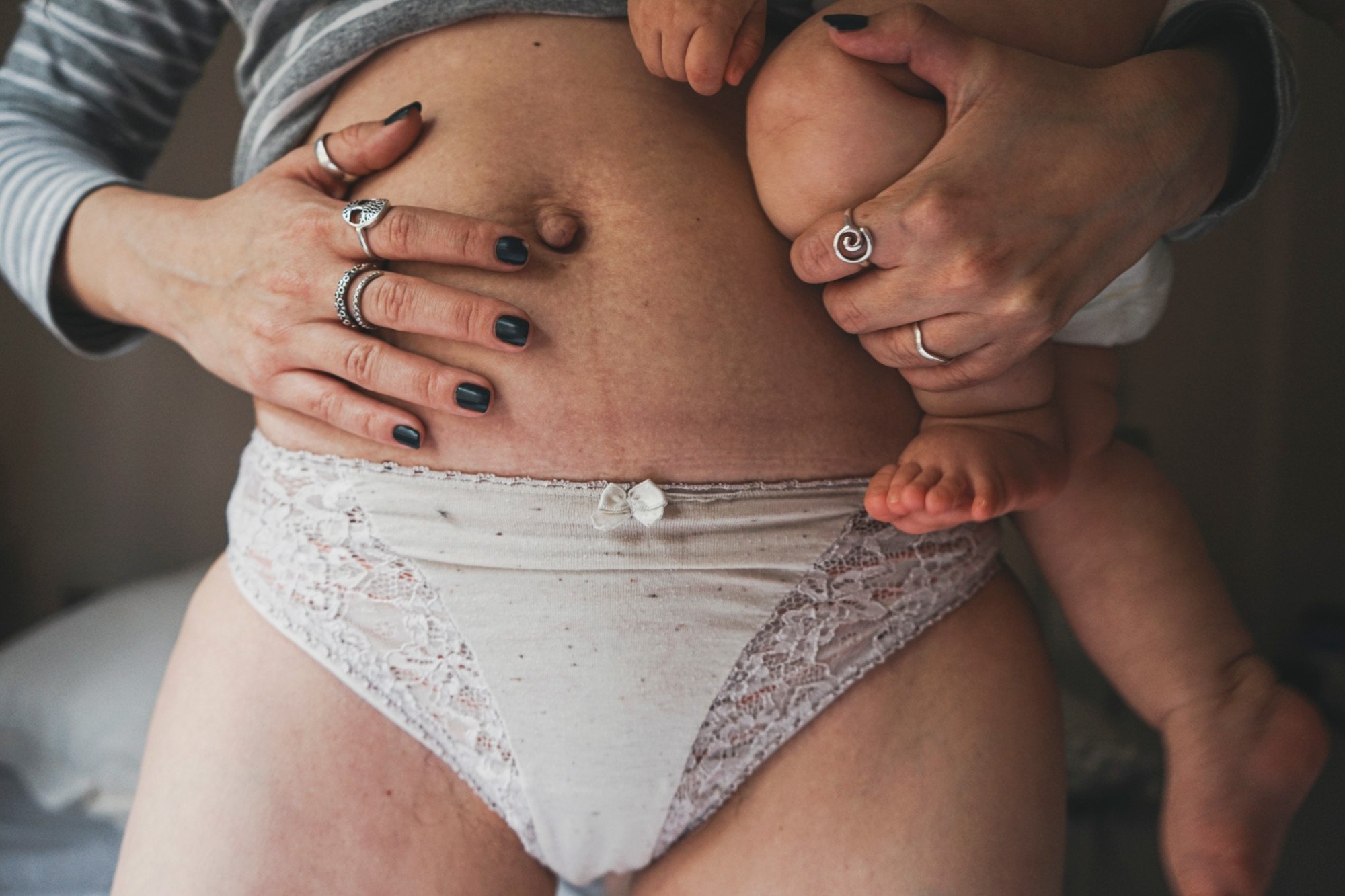
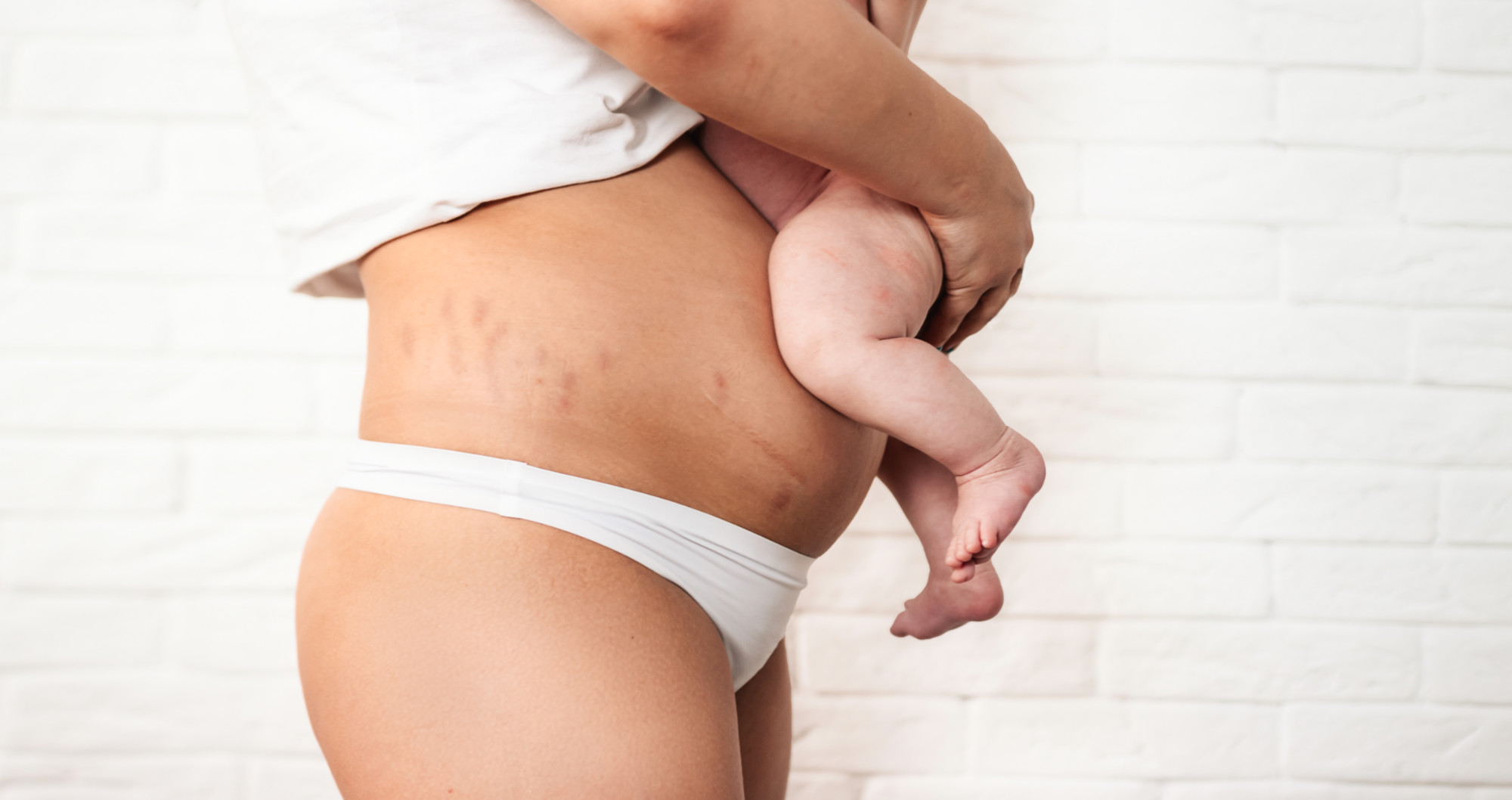
Perineal tears can occur during vaginal childbirth and range from first-degree to fourth-degree tears, depending on the extent of tissue damage.
Even after the initial healing process, some women experience ongoing pain, scar sensitivity, discomfort during intercourse, pelvic floor weakness or difficulties with bladder and bowel function.
Pelvic health physiotherapy can support recovery through tailored pelvic floor rehabilitation, scar management, clinical Pilates and individualised strengthening and mobility exercises.
Did you know?
ACC provides cover for eligible maternal birth injuries sustained during labour or delivery on or after 1 October 2022. This includes recognised perineal tears, including first-, second- and third-degree tears, as well as certain other birth-related injuries.
If you've experienced a birth injury, you may be eligible for ACC-funded pelvic health physiotherapy and rehabilitation, subject to claim approval.

There are many services out there offering pelvic floor treatments and hundreds of online tutorials, but nothing that can compare to being correctly diagnosed and having a personalised treatment programme designed and managed by a physio specially trained in pelvic health.
Learn more about our team